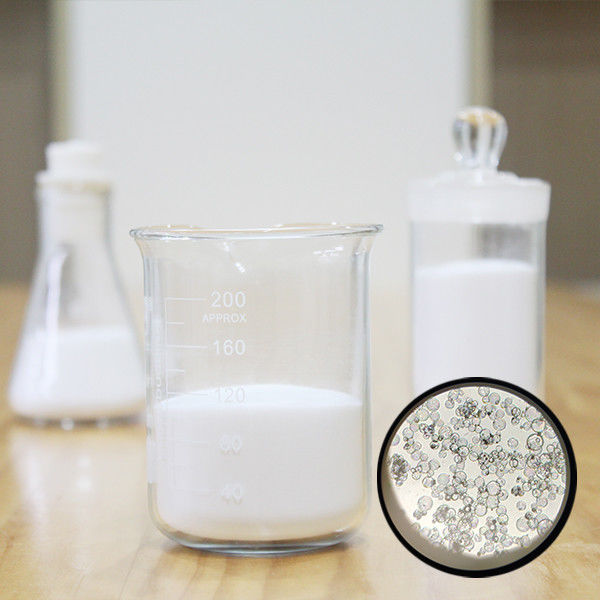
وصف المنتج:
الميكروبالونات الزجاجية هي كرات زجاجية مجوفة مجهرية متقدمة، مصممة لتوفير أداء استثنائي في مجموعة واسعة من التطبيقات الصناعية والعلمية. تتميز هذه الميكروبالونات بجدرانها الرقيقة للغاية، والتي تتراوح سماكتها بين 1-2 ميكرون، مما يسمح لها بالحفاظ على سلامتها الهيكلية مع توفير خصائص خفيفة الوزن. البناء الفريد لهذه الكرات المجوفة يجعلها مثالية للاستخدام في المواد المركبة، والطلاءات، والمواد اللاصقة، والمواد الأخرى حيث يكون تقليل الوزن دون المساس بالقوة أمرًا ضروريًا.
إحدى الميزات البارزة للميكروبالونات الزجاجية هي كثافتها الظاهرية المنخفضة بشكل ملحوظ، والتي تتراوح عادةً بين 0.15 إلى 0.3 جم/سم³. هذه الكثافة المنخفضة هي نتيجة مباشرة لهيكلها المجوف وجدرانها الرقيقة، مما يجعلها خيارًا ممتازًا للتطبيقات التي يكون فيها تقليل الوزن أمرًا بالغ الأهمية. سواء تم دمجها في البوليمرات أو الراتنجات أو مواد المصفوفة الأخرى، تساهم هذه الميكروبالونات في تقليل الوزن بشكل كبير، مما يعزز الأداء العام للمنتج النهائي.
يختلف متوسط قطر هذه الميكروبالونات من 10 إلى 100 ميكرون، مما يوفر تنوعًا في تخصيص خصائص المواد للاستخدامات المحددة. يسمح نطاق الحجم هذا للمصنعين باختيار حجم الميكروبالون المناسب لتحسين عوامل مثل نعومة السطح والقوة والعزل الحراري. يضمن التوزيع الصغير والمتجانس للحجم أداءً ثابتًا وسهولة المعالجة في مختلف بيئات التصنيع.
الإدارة الحرارية هي مجال آخر تتفوق فيه الميكروبالونات الزجاجية. تظهر موصلية حرارية تبلغ حوالي 0.05 واط/م·كلفن، وهي أقل بكثير من العديد من المواد المالئة والإضافات التقليدية. هذه الموصلية الحرارية المنخفضة تجعلها مادة عازلة فعالة، مما يساهم في تحسين المقاومة الحرارية في الهياكل المركبة. بالإضافة إلى ذلك، تبلغ قيمة الموصلية الحرارية للميكروبالونات 0.2، مما يؤكد قدرتها على إدارة تدفق الحرارة بفعالية في التطبيقات المتخصصة.
بالإضافة إلى خصائصها الفيزيائية والحرارية، توفر هذه الميكروبالونات استقرارًا كيميائيًا ممتازًا ومقاومة للرطوبة، مما يجعلها مناسبة للاستخدام في البيئات القاسية. يضمن طبيعتها الخاملة توافقها مع مجموعة واسعة من المواد، بما في ذلك الإيبوكسيات والبوليسترات وراتنجات المعالجة بالحرارة الأخرى. هذا التوافق ضروري للحفاظ على أداء وطول عمر المواد المركبة والطلاءات التي تستخدم فيها الميكروبالونات.
يضمن التحكم الدقيق في سمك الجدار، والذي يتراوح بين 1-2 ميكرون، أن تحافظ الميكروبالونات على توازن دقيق بين القوة والوزن. تساهم الجدران الأرق في انخفاض الكثافة وعزل أفضل، مع الاستمرار في توفير قوة ميكانيكية كافية لتحمل ضغوط المعالجة. هذه السمة مهمة بشكل خاص في صناعات الطيران والسيارات والبحرية، حيث يؤثر أداء المواد بشكل مباشر على السلامة والكفاءة.
باختصار، تعتبر الميكروبالونات الزجاجية بسمك جدار 1-2 ميكرون، وموصلية حرارية 0.05 واط/م·كلفن، وكثافة ظاهرية 0.15-0.3 جم/سم³، ومتوسط قطر 10-100 ميكرون مادة متعددة الاستخدامات وقيمة للغاية. إن مزيجها الفريد من خفة الوزن والقوة وخصائص العزل الحراري يجعلها لا غنى عنها في علوم وهندسة المواد الحديثة. سواء تم استخدامها لتعزيز المواد المركبة، أو تحسين العزل الحراري، أو تقليل الوزن، توفر هذه الميكروبالونات أداءً وموثوقية لا مثيل لهما.
بفضل مواصفاتها المتقدمة وفوائدها المثبتة، تواصل الميكروبالونات الزجاجية لعب دور حاسم في تطوير منتجات وحلول مبتكرة عبر مختلف الصناعات. تضمن جودتها المتسقة وخصائصها الاستثنائية أن يتمكن المصنعون من الاعتماد عليها لتلبية معايير الأداء الصارمة، مما يجعلها خيارًا مفضلاً للمهندسين والمصممين في جميع أنحاء العالم.
الميزات:
-
اسم المنتج: ميكروبالونات زجاجية
-
المادة: زجاج
-
المقاومة الكيميائية: مقاومة جيدة لمعظم المواد الكيميائية
-
مقاومة الحرارة: تصل إلى 600 درجة مئوية
-
متوسط القطر: 10-100 ميكرون
-
الشكل: كروي
المعلمات الفنية:
|
سمك الجدار
|
1-2 ميكرون
|
|
الكثافة الحقيقية
|
0.58-0.62
|
|
التطبيقات
|
مواد مالئة خفيفة الوزن، عزل، مواد مركبة، رغوات تركيبية
|
|
مقاومة الحرارة
|
حتى 600 درجة مئوية
|
|
الكثافة الظاهرية
|
0.15-0.3 جم/سم³
|
|
مقاومة الضغط
|
حتى 100 ميجا باسكال
|
|
القطر
|
20-75 ميكرومتر
|
|
متوسط القطر
|
10-100 ميكرون
|
|
المقاومة الكيميائية
|
مقاومة جيدة لمعظم المواد الكيميائية
|
|
اللون
|
أبيض أو أبيض مائل للصفرة
|
التطبيقات:
الميكروبالونات الزجاجية، التي تتميز بلونها الأبيض أو الأبيض المائل للصفرة وشكلها الكروي المثالي، هي مواد متعددة الاستخدامات تستخدم على نطاق واسع في مختلف التطبيقات الصناعية والتجارية. خصائصها الفريدة، مثل الموصلية الحرارية المنخفضة البالغة 0.05 واط/م·كلفن والقطر الذي يتراوح بين 20 و 75 ميكرومتر، بمتوسط قطر يتراوح بين 10 و 100 ميكرون، تجعلها مثالية لتعزيز أداء العديد من المنتجات. تستخدم هذه الكرات المجوفة الصغيرة بشكل أساسي لتقليل الوزن، وتحسين العزل الحراري، وزيادة القوة في المواد المركبة والدهانات والطلاءات والمواد المانعة للتسرب.
أحد أكثر مناسبات التطبيق شيوعًا للميكروبالونات الزجاجية هو في صناعات الطيران والسيارات. هنا، يعد تقليل وزن المكونات دون المساس بالقوة أمرًا بالغ الأهمية. من خلال دمج هذه الجسيمات الكروية في الراتنجات والمواد المركبة، يمكن للمصنعين إنشاء أجزاء خفيفة الوزن تساهم في كفاءة استهلاك الوقود والأداء العام. تضمن الموصلية الحرارية المنخفضة البالغة 0.05 واط/م·كلفن أيضًا خصائص عزل ممتازة، وهو أمر مفيد في البيئات الحساسة لدرجة الحرارة.
في مواد البناء والتشييد، تستخدم الميكروبالونات الزجاجية لإنتاج الخرسانة الخفيفة والجبس والملاط. يسمح قطرها الصغير البالغ 20-75 ميكرومتر بملء الفراغات بفعالية، مما يحسن العزل الحراري للمادة ويقلل الوزن الإجمالي. يؤدي هذا إلى مبانٍ موفرة للطاقة وسهولة في التعامل أثناء البناء. بالإضافة إلى ذلك، يساعد لونها الأبيض أو الأبيض المائل للصفرة في الحفاظ على الجودة الجمالية للطلاءات والتشطيبات.
تفضل الميكروبالونات الزجاجية أيضًا في صناعات البحرية وخطوط الأنابيب، حيث تكون الطفو ومقاومة التآكل ضرورية. يوفر الطبيعة المجوفة والشكل الكروي طفوًا ممتازًا، مما يجعلها مناسبة لأجهزة الطفو والمواد المركبة البحرية خفيفة الوزن. تعزز متانتها ومقاومتها الكيميائية طول عمر طلاءات ومانعات التسرب لخطوط الأنابيب.
باختصار، تجد الميكروبالونات الزجاجية تطبيقات في مجموعة واسعة من السيناريوهات بما في ذلك صناعات الطيران والسيارات والبناء والبحرية. تتيح سماتها الفريدة مثل الموصلية الحرارية المنخفضة (0.05 واط/م·كلفن)، والشكل الكروي، والقطر المتحكم فيه (20-75 ميكرومتر، بمتوسط 10-100 ميكرون) للمصنعين إنشاء منتجات خفيفة الوزن ومعزولة ومتينة. سواء تم استخدامها في المواد المركبة أو الطلاءات أو المواد المانعة للتسرب، تلعب هذه الميكروبالونات دورًا حيويًا في تحسين أداء المنتج عبر مختلف القطاعات.
الأسئلة الشائعة:
س 1: ما هي الميكروبالونات الزجاجية؟
ج 1: الميكروبالونات الزجاجية هي كرات زجاجية مجوفة صغيرة تستخدم لتقليل كثافة المواد، وتحسين العزل، وتعزيز الطفو في تطبيقات مختلفة.
س 2: ما هي التطبيقات النموذجية للميكروبالونات الزجاجية؟
ج 2: تستخدم عادة في المواد المركبة، والمواد اللاصقة، والطلاءات، والرغوات التركيبية، ومواد البناء خفيفة الوزن لتحسين نسبة القوة إلى الوزن والعزل الحراري.
س 3: ما هو نطاق الحجم النموذجي للميكروبالونات الزجاجية؟
ج 3: تتراوح الميكروبالونات الزجاجية عادة في الحجم من 10 إلى 100 ميكرون في القطر، اعتمادًا على درجة المنتج المحددة.
س 4: كيف تؤثر الميكروبالونات الزجاجية على كثافة المادة المركبة؟
ج 4: نظرًا لأنها مجوفة، تقلل الميكروبالونات الزجاجية بشكل كبير من الكثافة الإجمالية للمواد المركبة، مما يجعلها أخف وزنًا دون المساس بالقوة.
س 5: هل الميكروبالونات الزجاجية متوافقة مع جميع أنواع الراتنجات والبوليمرات؟
ج 5: الميكروبالونات الزجاجية متوافقة بشكل عام مع معظم راتنجات الإيبوكسي والبوليستر والفينيل إستر، ولكن يجب التحقق من التوافق للتركيبات المحددة.


 يجب أن تكون رسالتك بين 20-3000 حرف!